Automating Just-in-Time (JIT) Access Requests with Automated Identity Access Management
Learn how automated identity access management enables just-in-time (JIT) access workflows that reduce standing privileges, strengthen Zero Trust security, and improve compliance visibility across enterprise infrastructure.
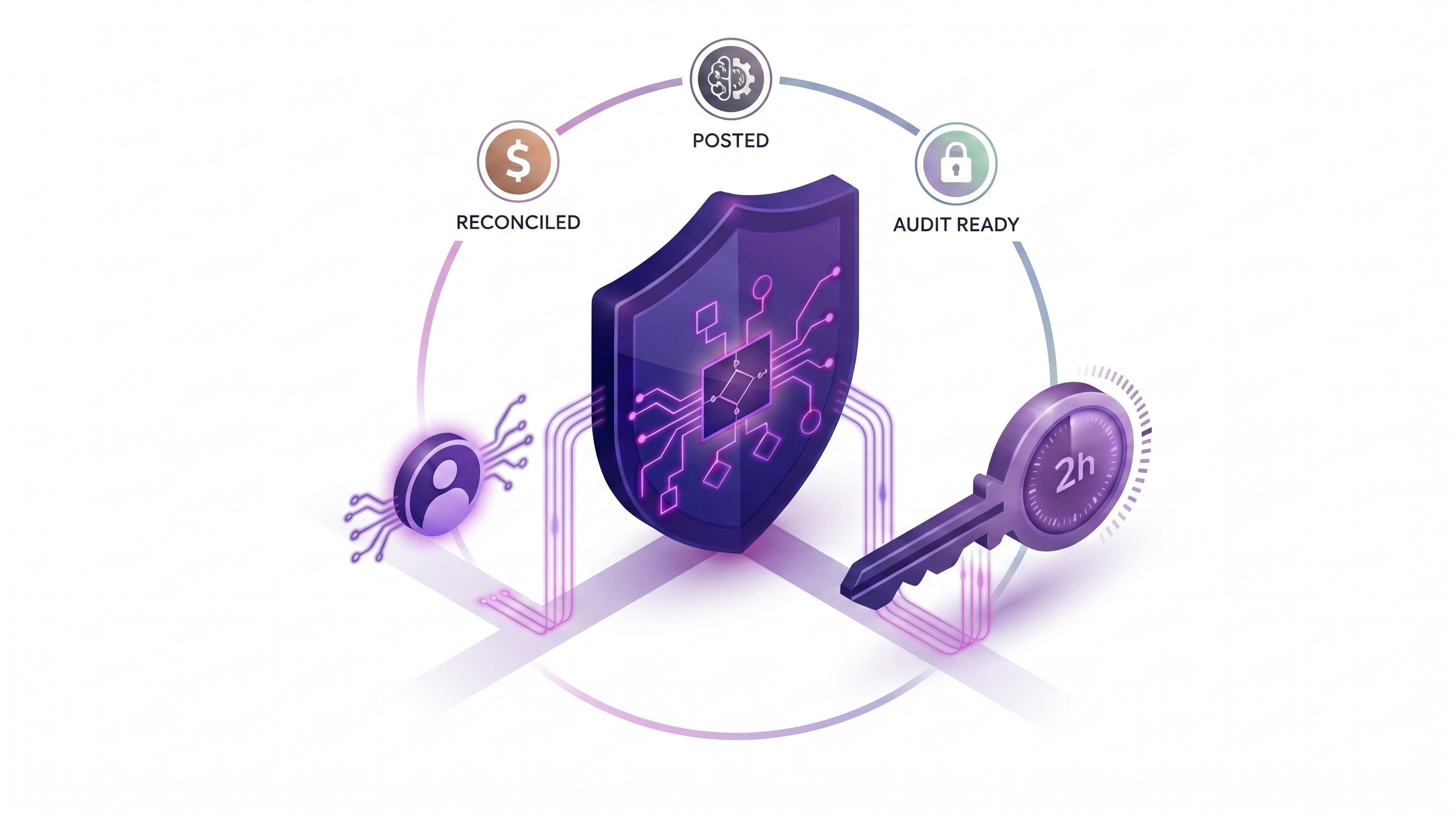
TL;DR: Automated Identity Access Management platforms enable organizations to grant temporary permissions only when required through Just-in-Time (JIT) access workflows. Security teams implementing automated JIT access commonly reduce standing privileged exposure windows by up to 80% while improving audit readiness timelines by as much as 40%. Microsoft Identity Security research indicates organizations implementing temporary privilege elevation models can reduce standing administrative exposure windows by up to 80%.
Modern enterprise environments operate across identity providers, SaaS platforms, infrastructure environments, and developer tooling simultaneously. Because permissions frequently persist longer than required, organizations increasingly transition toward automated identity governance architecturesthat continuously evaluate access conditions instead of relying on static role assignments.
According to the VerizonData Breach Investigations Report (DBIR),credential misuse remains one of the most common breach entry vectors. As a result, security programs increasingly integrate identity lifecycle orchestration into Zero Trust identity enforcement architecturesto eliminate persistent privilege exposure windows.
“Standing privileges—not identity volume—represent the largest preventable access risk surface inside modern enterprise infrastructure.â€
What Is Automated Identity Access Management?
Automated Identity Access Management uses policy-driven workflows to provision, approve, monitor, and revoke permissions dynamically without requiring manual administrator coordination. Instead of ticket-based provisioning cycles, automated IAM environments evaluate contextual identity signals continuously before granting elevated permissions.
This transforms identity security from a configuration activity into a continuous infrastructure control layer aligned with modern guidance from theNIST Zero Trust Architecture framework.
What Are Just-in-Time Access Requests?
Just-in-Time (JIT) access requests provide temporary permissions that activate only for the duration required to complete a task. Access expires automatically after workflow completion, session termination, or policy condition changes.
| Access Model | Risk Level | Audit Visibility | Zero Trust Alignment |
|---|---|---|---|
| Static Privileged Access | High | Limited | Low |
| Just-in-Time Access | Low | Continuous | Strong |
Microsoft Identity Security research shows persistent administrative privileges significantly increase lateral-movement exposure risk compared to environments enforcing temporary privilege elevation models.
How Automated IAM Enables JIT Access Workflows
Automated Identity Access Management platforms orchestrate JIT workflows through policy-driven evaluation pipelines that validate contextual identity signals before granting elevated permissions.
| Signal Type | Purpose |
|---|---|
| Identity verification | Confirms user authenticity |
| Device posture validation | Ensures secure endpoint status |
| Risk scoring engines | Detect abnormal access behavior |
| Session duration enforcement | Limits privilege exposure window |
| Policy compliance validation | Maintains regulatory alignment |
Compliance Benefits of Automating JIT Access Requests
Automated JIT workflows directly support regulatory alignment across identity governance frameworks including SOC 2, ISO 27001, HIPAA, and PCI-DSS.
| Framework | Supported Requirement |
|---|---|
| SOC 2 | Time-limited privileged access enforcement |
| ISO 27001 | Access lifecycle monitoring |
| HIPAA | Minimum-necessary access enforcement |
| PCI-DSS | Administrative privilege restriction |
Security Gains from Removing Standing Privileges
Standing privileges increase lateral-movement opportunity windows during breach scenarios. Automated JIT access significantly reduces credential-misuse exposure by limiting privilege availability to active workflow timelines only.
Organizations implementing automated least-privilege enforcement frequently strengthen infrastructure trust posture alongsideidentity-first security coordination architectures,ensuring permissions remain synchronized with real-time risk signals.
Implementation Roadmap for Automated JIT Access Infrastructure
- Stage 1: identity provider signal integration
- Stage 2: policy-driven approval automation
- Stage 3: temporary privilege elevation enforcement
- Stage 4: session-duration monitoring alignment
- Stage 5: automated access expiration orchestration
Frequently Asked Questions About Automated Identity Access Management
What is Automated Identity Access Management?
Automated Identity Access Management uses policy-driven workflows to provision and revoke permissions dynamically so access exists only while infrastructure trust conditions remain valid.
What is Just-in-Time access?
Just-in-Time access provides temporary permissions that activate only during approved workflows and expire automatically after task completion.
Why is JIT access important for Zero Trust security?
Zero Trust architectures assume no identity should retain persistent privilege. JIT access enforces that principle by limiting permission availability to active operational timelines only.